Real Results After 60 Days With Our Salicylic Acid Serum
In September, we launched a one-month consumer trial focused on acne-prone skin for teens. Participants used the upgraded UNILIPO Composite Salicylic Acid Oil Control Serum to evaluate its effects on breakouts and skin clarity.
In October, we received the "First Month Study Report," showing that more than half of participants experienced visible improvement in their acne after the first month.
Here’s a closer look at some of the second-month updates shared by participants and parents undergoing the trial:
Essential Ingredients:
✅1% UNISOUL® RNAiG – Adopts gene-silencing technology to precisely target androgen receptors in sebaceous gland cells, regulating sebum production at the epigenetic level.
✅ 3.2% Supramolecular Salicylic Acid Co-Crystal – Boosts absorption while reducing skin irritation.
✅ 0.5% ACNESIUM® – Reduces sebum secretion, improves abnormal hyperkeratosis, and inhibits inflammation and harmful bacteria.
✅ 2.46% Azelaic Acid – Suppresses inflammation and pathogenic bacteria, and gently accelerates keratin metabolism.
✅ 1% Willow Bark Extract – Enhances anti-inflammatory and oil-controlling effects.
How to Use
After cleansing your face, apply a proper amount evenly to acne-prone areas every night.
@Xiao
A 13-year-old girl with cheek acne for over one year
“Her skin looks much better overall this month. Some classmates even mentioned that she has fewer pimples now, and her skin looks clearer overall. In person, the improvement actually looks even more noticeable than it does in photos — you can really see the change.”

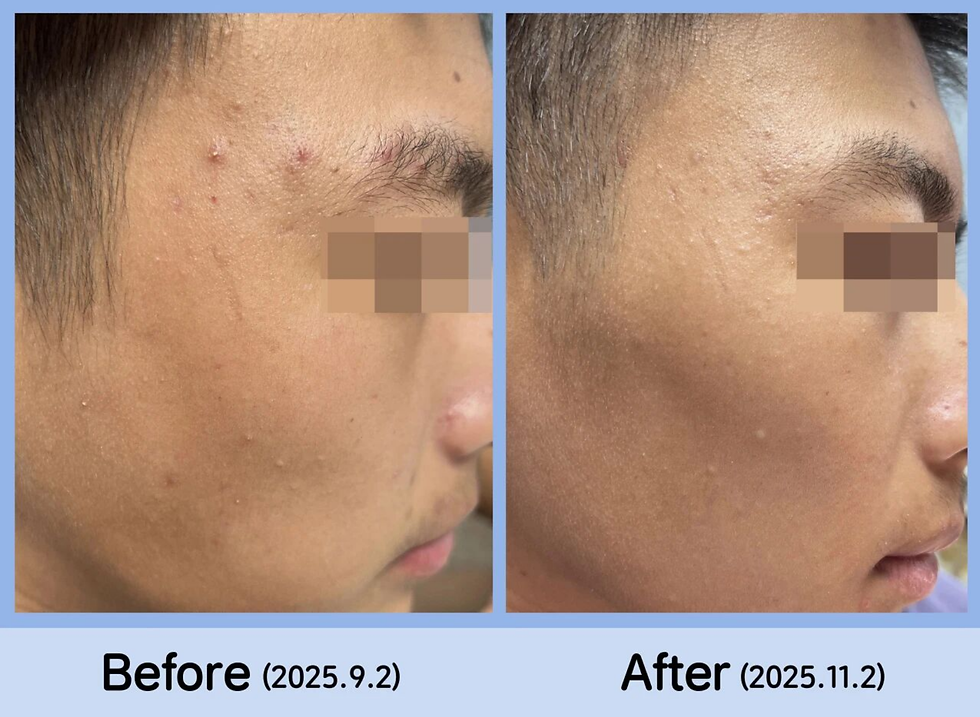
@Zhuang
A 17-year-old boy with temple acne for over one year
“The pimples gradually flattened out, and the acne marks faded noticeably over time. His skin is much clearer now, and he hasn’t been getting many new breakouts recently. He maintains a fairly normal diet at school, and at home, we also try to encourage more vegetables and balanced meals.”
@Hh
A 13-year-old boy with forehead and face acne for over a year
“The improvement over the past two months has been really encouraging--I’m so happy! My child’s skin has gradually become much clearer, and the breakouts that had been causing us so much stress are now much more manageable.”

@JXH
A 17-year-old girl with cheek acne for over a year
“Her skin has gradually become smoother overall, especially in areas affected by newer breakouts. The overall condition of her skin also seems much more stable now.”

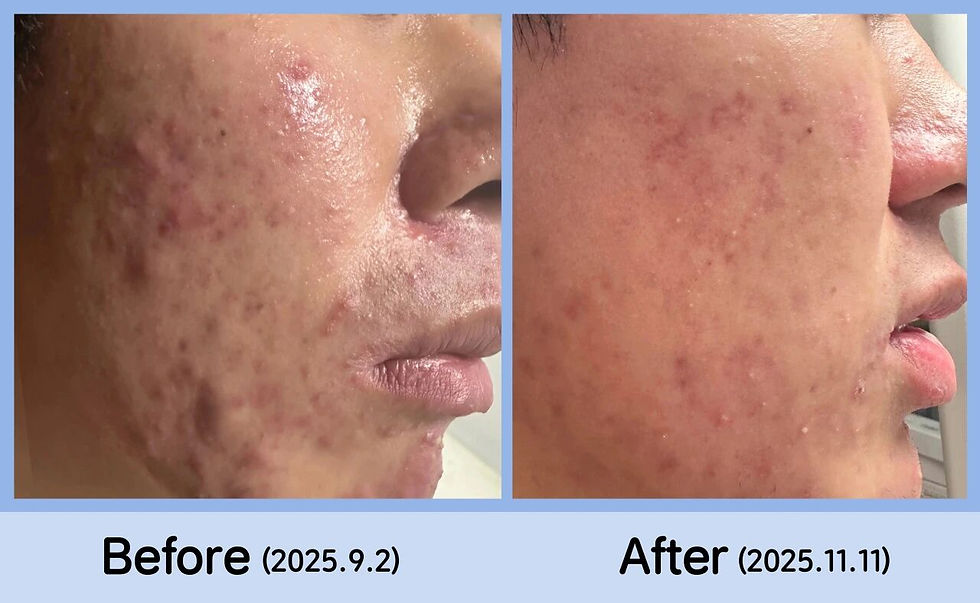
@Zhi
A 17-year-old boy with cheek acne for over a year
“The results have been amazing-the difference has become much more noticeable over the past two months. My son previously struggled with severe acne, so we stayed consistent with the salicylic acid routine. His skin is much clearer now, and he’s been getting far fewer new breakouts recently. I trust UNILIPO’s products completely.”
@XY
An 11-year-old girl with forehead acne for over a year
“She has just entered puberty and has become much more prone to breakouts. After using salicylic acid consistently, the redness and inflammation gradually became less noticeable.”

@Xiao
A 14-year-old girl with forehead acne for over a year
“Her skin improved gradually overall, although she still experiences occasional flare-ups from time to time. We’ve found that staying consistent with long-term skincare remains especially important.”

@🌸 🌸
A 14-year-old boy with cheek acne for over six months
“At first, small breakouts kept appearing as underlying congestion gradually surfaced. After this adjustment period, his skin began improving more steadily. He has now been using the routine consistently for two months, and the changes have become much more noticeable.”

@Litchi
A 12-year-old girl with forehead acne for the past six months
“Her acne has gradually improved overall and tends to be less severe outside of hormonal flare-up periods.”

@Fu
A 12-year-old boy with forehead acne for the past six months
“This month, he reduced dairy intake, cut back on sweets and greasy foods, and became much more consistent with cleansing his skin daily. While small breakouts still appeared occasionally, the larger inflamed pimples became much less frequent over time. As his skin gradually improved, he also became more motivated to stick to the routine himself.”

@Cong
A 15-year-old boy with neck acne for over six months
“My son first started breaking out earlier this year, and dietary changes alone didn’t seem to make much difference. After introducing salicylic acid into his routine, the improvement became more noticeable over time, especially around the neck and scalp area. Puberty-related hormonal changes, academic stress, and irregular sleep schedules may all contribute to breakouts, so we plan to continue using the routine consistently. Over time, he has also developed a much more regular skincare habit and now follows his nightly routine on his own. He really trusts all of UNILIPO’s products.”

Study Summary
After two months of consistent use, many participants with long-term acne showed continued improvement in both active breakouts and overall skin condition. For some participants who experienced an initial increase in breakouts during the first month, the second month appeared to be a more stable recovery period, with smoother skin and fewer inflamed pimples overall. Some participants also noticed that their skin looked clearer and more even over time.
Beyond visible skin improvements, many participants — especially boys — also became more consistent with their skincare habits throughout the trial. Some gradually developed more regular cleansing routines and became more mindful of their diet and daily habits as their skin improved.
No irritation or significant discomfort was reported during the second month of the study, further supporting the gentle and daily-use-friendly nature of the UNILIPO Composite Salicylic Acid Oil Control Serum.
How the Formula Works
Advanced Oil Control for Acne-Prone Skin
The key to UNILIPO Salicylic Acid Serum lies in its patented ingredient, UNISOUL® RNAiG, which targets pathways associated with excess sebum production in acne-prone skin.
1️⃣ Targets and inhibits the “culprit” behind acne: the AR receptor
During puberty, increased androgen activity can overstimulate sebaceous glands and lead to excess oil production. When excess oil combines with clogged pores, it can contribute to breakouts and inflamed acne.
UNISOUL® RNAiG is an siRNA ingredient designed to target androgen receptor (AR) pathways associated with excess sebum production. By helping regulate oil-related signaling activity, it supports a more balanced environment for acne-prone skin.
Internal testing showed strong oil-control performance compared with traditional anti-androgen approaches, such as spironolactone.

2️⃣ Significantly Reduces Inflammatory Cytokine Levels
Acne-prone skin is often associated with ongoing inflammation, which can contribute to visible redness, swelling, and irritated breakouts.
Internal testing showed that RNAiG helped reduce the expression of several pro-inflammatory cytokines associated with acne-related inflammatory responses, including:
• IL-1α (Interleukin-1α)
• IL-6 (Interleukin-6)
• IL-8 (Interleukin-8)
• TNF-α (Tumor Necrosis Factor-α)
• IFN-γ (Interferon-γ)
Inflammatory cytokines are signaling molecules that act as “messengers” between cells, helping regulate inflammatory responses in the skin. When cytokine activity becomes elevated, inflammation associated with acne can become more visible and persistent.
By helping reduce inflammatory signaling associated with breakouts, RNAiG is designed to support calmer, more balanced-looking skin over time.

Gentle, Sustained-Release Salicylic Acid with Supramolecular Technology
Formulated with soothing and moisturizing ingredients
Designed for sensitive and acne-prone skin
In addition to UNISOUL® RNAiG’s advanced oil-control and anti-inflammatory technology, the formula also uses supramolecular technology to combine salicylic acid with betaine, forming a salicylic acid–betaine co-crystal. This helps create a slow-release mechanism designed to reduce irritation while maintaining effectiveness.
The supramolecular process also allows salicylic acid to dissolve directly in water-based formulations, reducing the need for high levels of alcohol-based solvents often associated with irritation. Internal testing suggested that 1% supramolecular salicylic acid may provide comparable performance to 5–6% conventional salicylic acid, allowing effective results at lower concentrations while supporting a gentler overall experience.
In addition, the serum contains several soothing and moisturizing ingredients:
• 1% Oat Beta-Glucan — helps soothe and moisturize skin
• 0.55% Glyceryl Glucoside — supports hydration and moisture retention
• 0.1% Madecassoside — helps support skin barrier recovery and resilience
Together, these ingredients help create a formula designed to balance oil control with overall skin comfort, including for sensitive and acne-prone skin types.
Consumer trial observations showed visible reductions in pustules, inflammatory papules, and clogged pores after 28 days of use, supporting the formula’s effectiveness for breakout-prone skin.

Acne Care FAQ
Q: Why do some people seem to break out more after starting salicylic acid?
A: Acne can be a bit like a volcano — everyone has a different amount of underlying congestion beneath the skin. For some users, salicylic acid helps existing breakouts calm down quickly with very few new pimples appearing afterward. For others with more active acne-prone skin, salicylic acid may initially bring underlying clogged pores and hidden breakouts to the surface more quickly, making the skin appear temporarily worse before it gradually improves.
Persistent acne usually requires several months of consistent care and oil-control management. Even if dramatic changes are not visible within the first month, maintaining a steady routine is important for long-term improvement.
Q: Why does my skin sometimes fluctuate between better and worse after using salicylic acid?
A: Acne-prone skin often fluctuates, especially during puberty and periods of hormonal change. As some breakouts improve, new ones may still appear from time to time, which can be a normal part of the skin cycle.
Salicylic acid mainly works as a topical skincare ingredient designed to help manage excess oil, clogged pores, and visible inflammation. For individuals experiencing more persistent or severe breakouts, long-term consistency and professional medical guidance may also be helpful.
Q: Do I need to wear sunscreen while using salicylic acid?
A: Yes--daily sunscreen use is strongly recommended. Although salicylic acid itself is not considered highly photosensitizing, exfoliating ingredients can make skin more vulnerable to UV exposure and post-acne pigmentation. Consistent sunscreen use can help reduce the appearance of dark spots and support overall skin recovery.


Comments